
It is one of the most difficult conversations you will ever have with your aging parent.

You’ve noticed they are wearing the same clothes for days in a row. Perhaps you’ve walked into the room and noticed an uncharacteristic odor. Your heart sinks, not just because of the hygiene issue, but because you don’t know how to bring it up without hurting their feelings.
It is easy to assume they are just being “difficult” or “lazy,” but as a geriatric care specialist, I can tell you that is rarely the case. Usually, this resistance stems from deep-seated fear.
For many seniors, the bathroom is the most dangerous room in the house. The fear of falling, the shock of cold air, or the vulnerability of being naked can be paralyzing.
In this post, we’ll cover the silent signs parent afraid to bathe, why this anxiety happens, and the simple safety fixes that can restore their dignity.
Why Do Seniors Fear the Shower? (The Root Cause)
Before we can address the behavior, we must understand the emotion behind it. Elderly bathing anxiety is a very real psychological and physical hurdle.
If we look at the situation through their eyes, the refusal to shower makes sense:
- Fear of Falling: This is the number one trigger. Slippery surfaces, hard tiles, and stepping over high tub walls are genuinely terrifying for someone with balance issues. A fall in the shower can be life-altering.
- Temperature Sensitivity: As we age, our skin thins and we lose body fat. Being naked in a bathroom can feel freezing to a senior, even if the room feels warm to you. The transition from hot water to cold air is physically painful.
- Physical Pain: Arthritis and stiffness make the mechanics of bathing difficult. Raising a leg to step into a tub or reaching behind the head to wash hair can cause sharp pain.
- Dementia and Confusion: For those with cognitive decline, the sound of rushing water can be amplified and frightening. Mirrors and shadows can cause hallucinations, making the shower feel like a threatening place.
Top Signs Your Parent is Avoiding the Bath
You might not see them refuse a shower outright. Often, seniors are embarrassed to admit they are afraid, so they develop coping mechanisms to avoid the activity altogether.
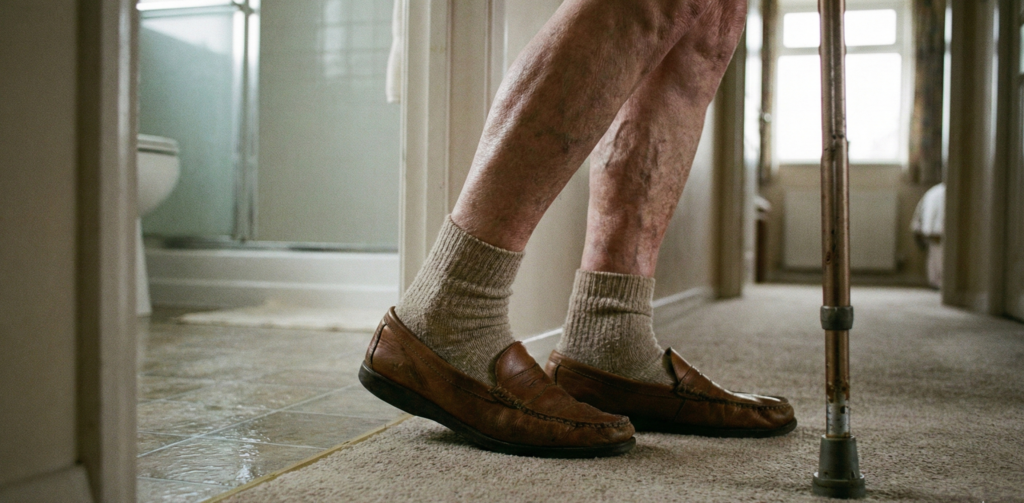
Here are the silent signs parent afraid to bathe that you need to watch for:
Sign 1: Stalemate in the Wardrobe
If your parent has been wearing the same outfit for three or four days, this is a major red flag. They may sleep in their day clothes to avoid the vulnerability of undressing, or they may simply forget that they haven’t changed.
Sign 2: Body Odor or Heavy Perfume
This is the most distressing sign for families. You may notice a stale odor, or conversely, an overpowering scent of cologne, perfume, or talcum powder. They may be attempting to “mask” the issue so they don’t have to face the shower.
Sign 3: Defensive Behavior
Watch their reaction when you bring up hygiene. Do they get unusually angry? Do they insist, “I showered yesterday,” even when you know they didn’t? This defensiveness is a shield for their fear and embarrassment.
Sign 4: The “Dry” Bathroom
Play detective in the bathroom. If the towels haven’t moved in a week, the bathmat is always bone dry, or the soap looks unused and cracked, they are likely performing “sink baths” or avoiding water entirely.
Sign 5: Skin Issues
Lack of hygiene eventually shows up on the body. Look for red rashes in skin folds, constant itching, or flaky skin. These are physical indicators that how to help elderly parents bathe has become a medical necessity.
How to Help Them Feel Safe (Actionable Tips)
Once you recognize the fear, you can solve the problem by changing the environment. We want to transform the bathroom from a “danger zone” into a sanctuary.
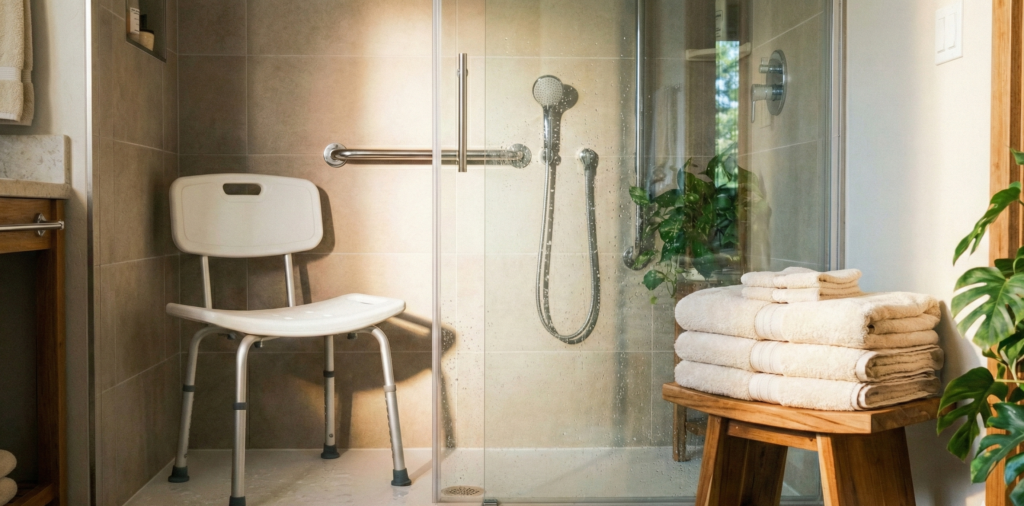
Here are four ways to increase shower safety for seniors:
- Install Grab Bars and a Shower Chair: This is non-negotiable. A sturdy shower chair allows them to rest, eliminating the fear of fatigue or slipping. Grab bars provide the leverage they need to feel secure.
- Switch to a Handheld Showerhead: A fixed showerhead can feel like waterboarding to a frightened senior. A handheld wand gives them control over the water flow and direction, which significantly reduces anxiety.
- Keep the Room Warm: Turn on a space heater 15 minutes before the bath (keep it safely away from water). Ensure the room is toasty. Have large, warm towels ready immediately so they never have to feel exposed to the cold.
- Prioritize Dignity: If you are helping them, use the “towel bath” technique. Keep a large towel over their body, only uncovering the specific limb you are washing. This preserves their modesty and keeps them warm.
When to Call for Help
Sometimes, no matter how safe you make the bathroom, the dynamic between parent and child makes bathing impossible.
It is common for parents to feel deeply embarrassed about their child seeing them naked. It reverses the role of parent and child in a way that can be psychologically damaging for them.
In these cases, hiring a professional caregiver is often the best solution for how to help elderly parents bathe. A professional offers a neutral presence. They are trained in safe transfer techniques and can perform the task efficiently and with dignity, preserving your relationship with your parent.
If you live in Arizona & Texas, contact Compassionate Care at Home today. We specialize in gentle, dignified hygiene assistance that puts safety first.
Conclusion
Recognizing the signs parent afraid to bathe is the first step toward a solution. It isn’t about forcing them into the water; it is about removing the obstacles that make them afraid.
By focusing on safety, warmth, and dignity, you can turn a battle of wills into a manageable routine. Remember to take small steps—even a sponge bath is a victory if it keeps them safe and clean.